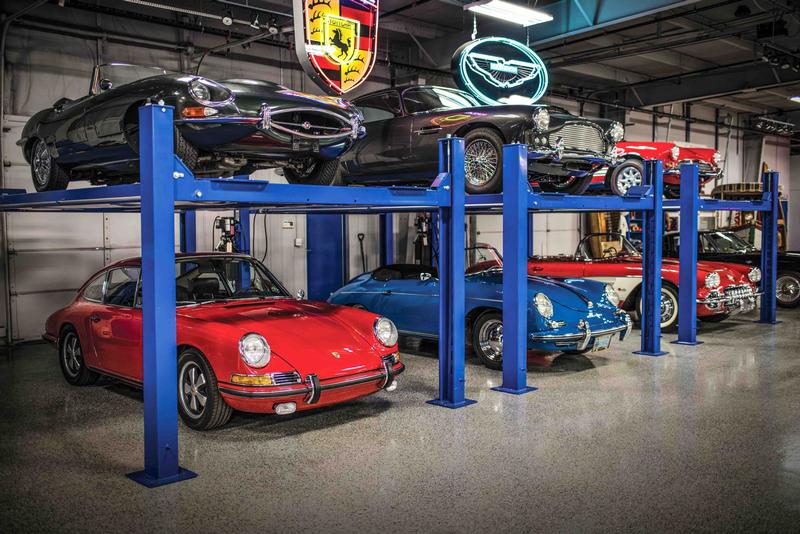
Rust, dead batteries, flat-spotted tires, and bad fuel can turn a running classic into a project. Here is how to prevent that.
Bringing a classic car home is one of the best feelings in the world. Whether it is a weekend cruiser, a long-term restoration project, or the car you have owned for decades, proper storage is one of the easiest ways to protect it.
The good news is that you do not need a museum-quality facility. A normal home garage can work perfectly if you control moisture, keep the fluids fresh, protect the battery, and avoid a few common mistakes.
Step 1: Start With a Clean, Dry Garage
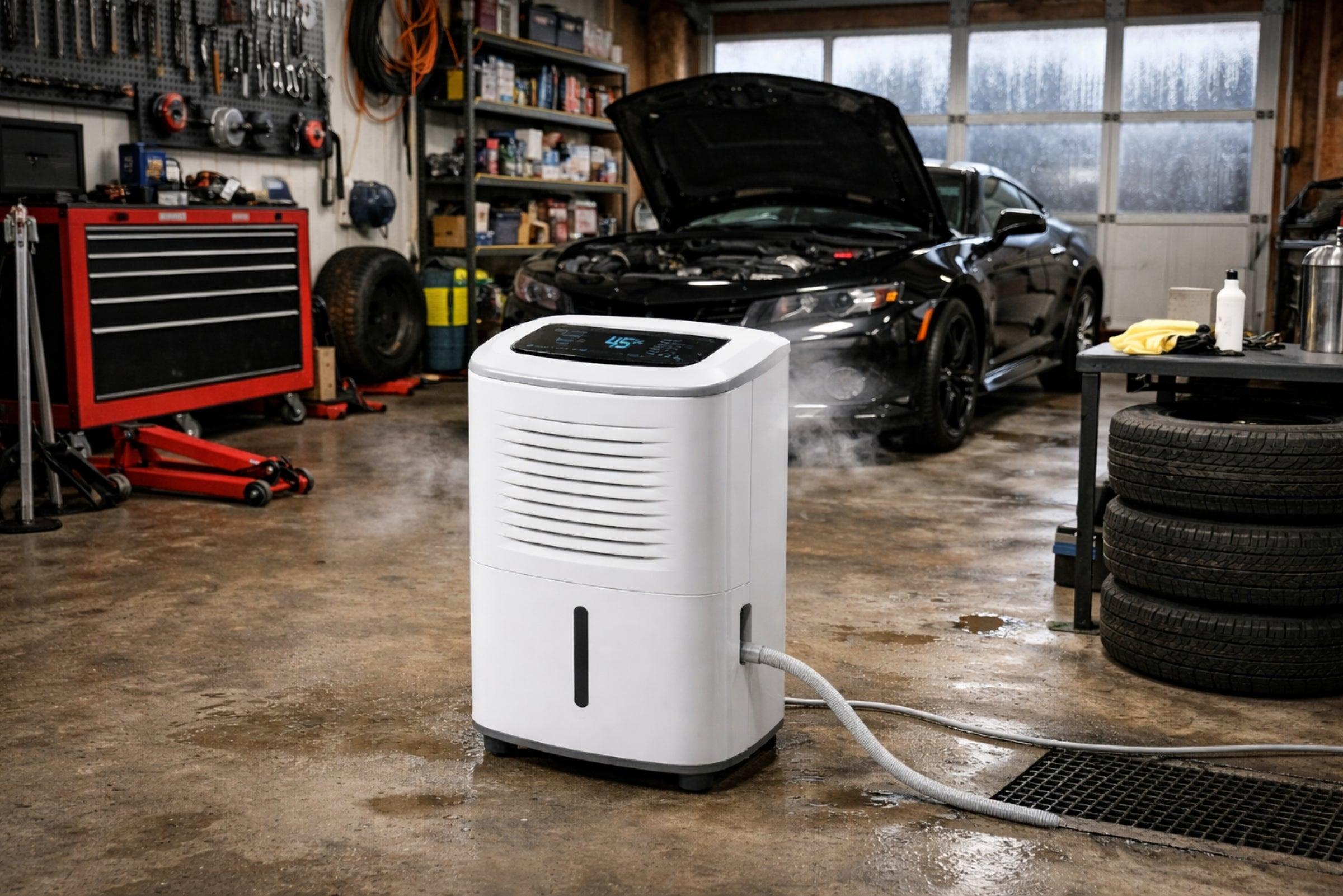
Moisture is the number one killer of classic cars. Rust, mold, electrical corrosion, and interior damage all start with humidity.
Before buying covers, chargers, or fancy storage gear, make sure your garage is reasonably dry.
- Check for water leaks and standing moisture.
- Look for condensation on walls, doors, or ceilings.
- Seal obvious cracks and gaps.
- Use weather stripping around the garage door.
- Run a dehumidifier if the garage stays damp.
Quick win: If your garage smells musty, fix that before storing the car long-term. You do not need perfection, but you do need dry air.
Step 2: Change the Fluids Before Storage
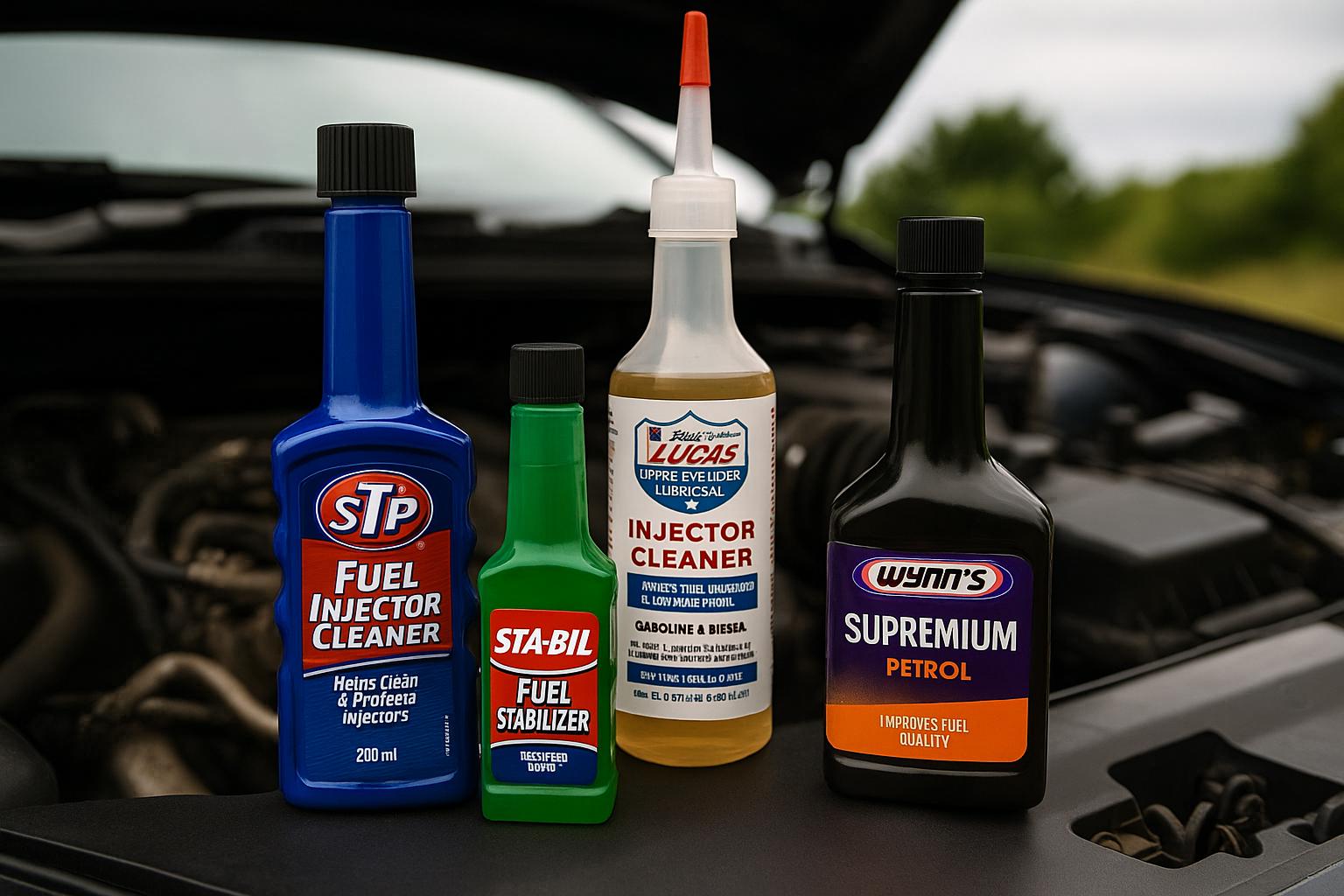
Old fluids cause damage when a car sits. Even if the oil looks clean, contaminants can build up over time and settle while the engine is not running.
Before storage, change the engine oil, top off coolant, inspect brake fluid, and fill the fuel tank. A full tank helps reduce condensation in the fuel system.
Fuel Storage
STA-BIL Storage Fuel Stabilizer
Keeps fuel fresh during storage and helps prevent gum and varnish buildup.
Fuel Additive
STA-BIL Fuel Stabilizer and Performance Improver
A good option for cars that sit between weekend drives or seasonal use.
STA-BIL Fuel Stabilizer and Performance Improver
A good option for cars that sit between weekend drives or seasonal use.
Oil Additive
Lucas Heavy-Duty Oil Stabilizer
Popular with older engines and high-mileage classics where added film strength is desired.
Lucas Heavy-Duty Oil Stabilizer
Popular with older engines and high-mileage classics where added film strength is desired.
Step 3: Use a Battery Maintainer, Not a Regular Charger
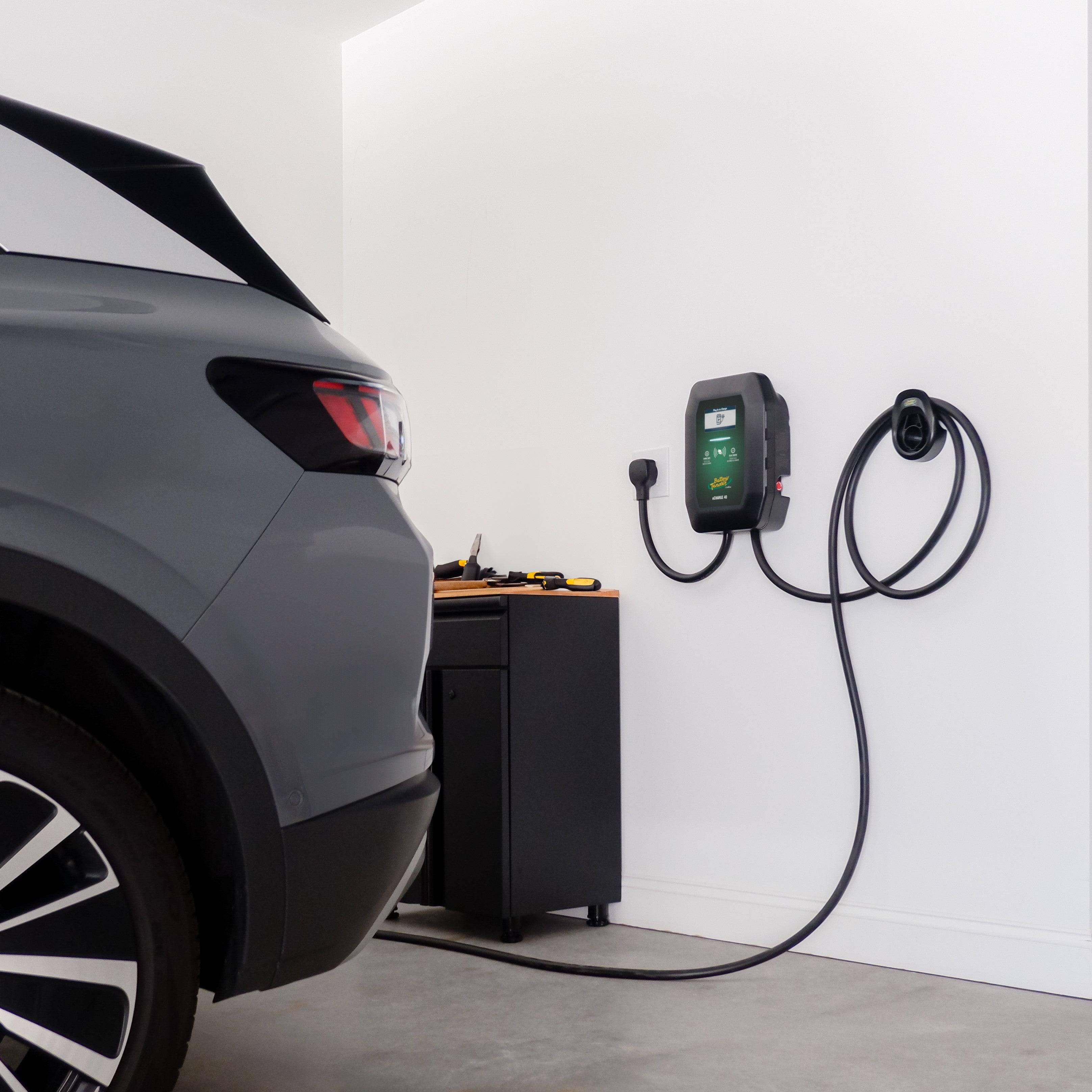
A dead battery is probably the most common storage problem. A maintainer keeps the battery healthy without overcharging it, while a basic charger should not be left connected indefinitely.
- Look for automatic float charging.
- Use a maintainer designed for long-term storage.
- Check battery terminals for corrosion before connecting.
Battery Tender Battery Chargers and Maintainers
A trusted brand for keeping stored classics ready to start.
A trusted brand for keeping stored classics ready to start.
Step 4: Protect the Tires From Flat Spots
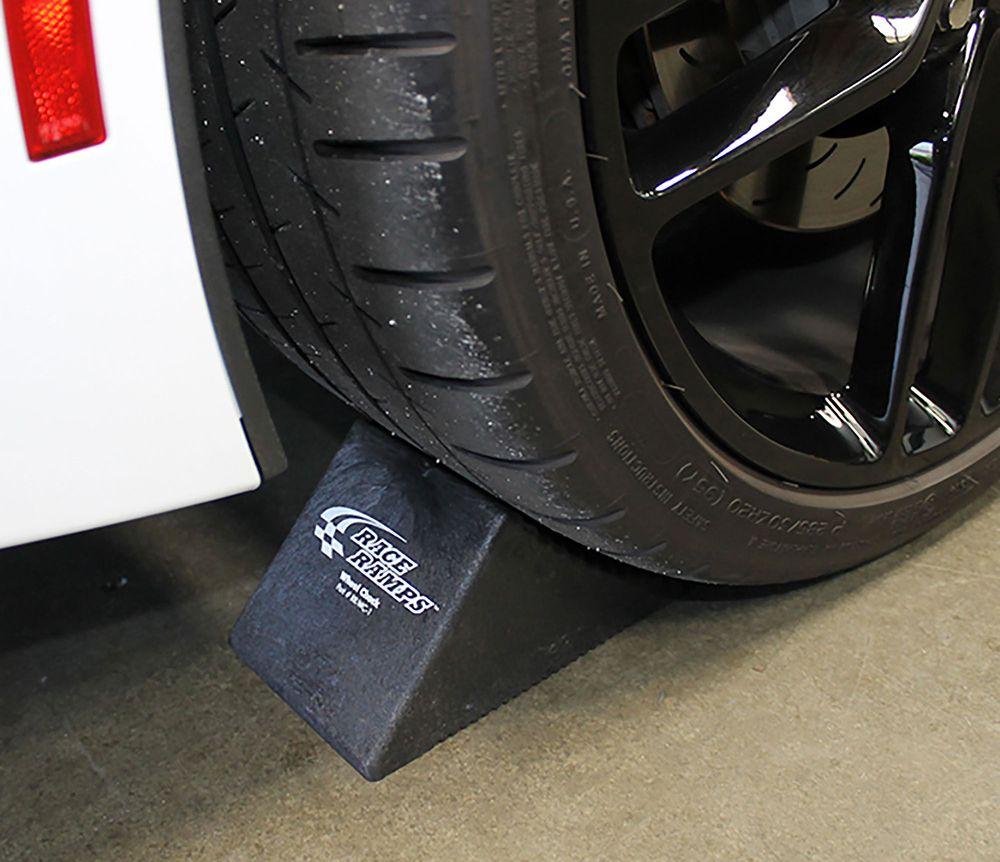
Flat spots happen when a car sits in one position too long. This is especially annoying on expensive performance tires or older bias-ply-style tires.
Three good options
- Inflate the tires slightly higher: add about 3 to 5 PSI, staying below the tire's maximum sidewall pressure.
- Move the car occasionally: rolling it a few feet every few weeks helps distribute the load.
- Use tire cradles or stands: best for longer-term storage.
Step 5: Use a Quality Indoor Car Cover
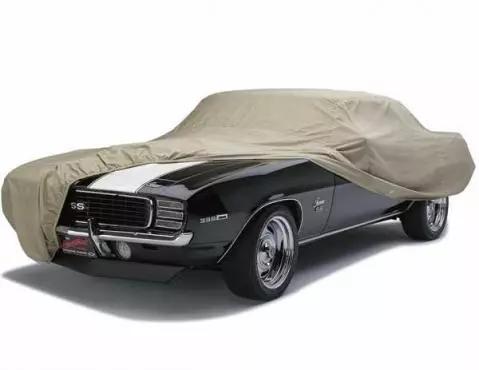
Even inside a garage, dust and accidental contact can damage paint. The key is to use a breathable indoor cover, not a plastic tarp.
- Use breathable material.
- Look for a soft inner lining.
- A proper fit is better than a loose tarp.
- Never cover a dirty car. Dirt under a cover can act like sandpaper.
Step 6: Do Not Set the Parking Brake
This surprises a lot of people. Leaving the parking brake engaged for months can cause pads or shoes to stick, cables to seize, and rotors or drums to rust unevenly.
Use wheel chocks instead. It is simple, cheap, and safer for long-term storage.
Step 7: Rodent Prevention Is Not Optional
Rodents can destroy wiring, insulation, carpet, seats, and HVAC ducts. One mouse can turn a clean classic into a nightmare.
- Seal gaps around the garage.
- Do not store pet food or bird seed nearby.
- Keep cardboard clutter away from the car.
- Use traps if there is any sign of activity.
- Check the engine bay and interior occasionally.
Step 8: Consider a 4-Post Lift if Space Is Tight
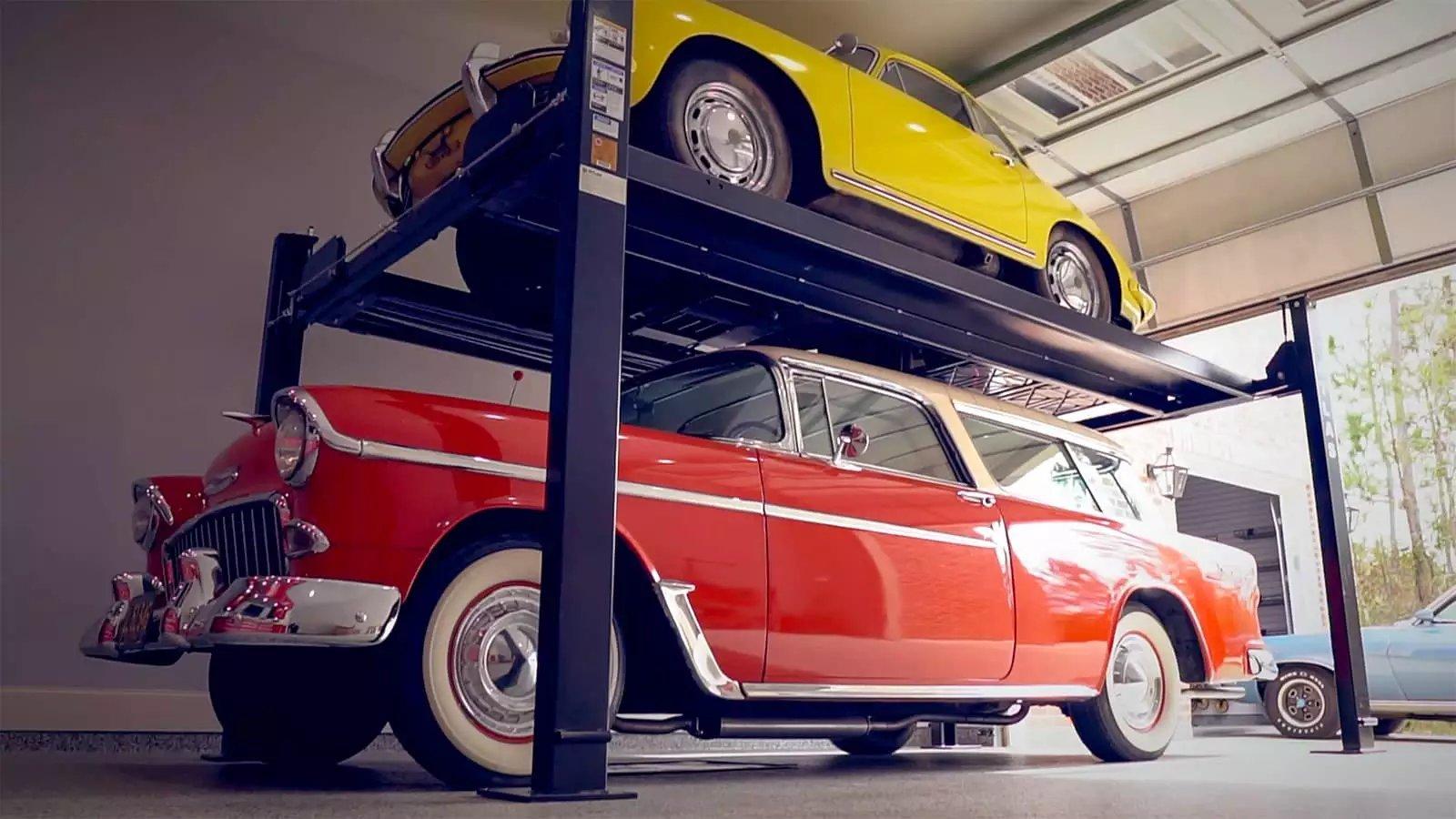
A car lift can completely change how you store vehicles. For many home garages, a 4-post lift is the easiest setup because it supports the car by the tires and is generally simpler for storage than a 2-post lift.
- Doubles garage capacity.
- Makes maintenance easier.
- Keeps a special car protected and out of the way.
- Works especially well for seasonal cars, project cars, and classics.
Common Classic Car Storage Mistakes
- Letting the battery die.
- Leaving old fuel in the tank without stabilizer.
- Covering a dirty car.
- Using a plastic tarp instead of a breathable cover.
- Ignoring humidity.
- Leaving the parking brake engaged.
- Starting the car for only one or two minutes instead of fully warming it up.
Final Thoughts
You do not need a perfect garage to store a classic car properly. You just need dry air, clean fluids, a maintained battery, protected tires, and a little common sense.
Do those things, and your classic will be ready when you are.
Affiliate disclosure: Some links in this article may be affiliate links. If you buy through them, KickAssCars may earn a commission at no extra cost to you.